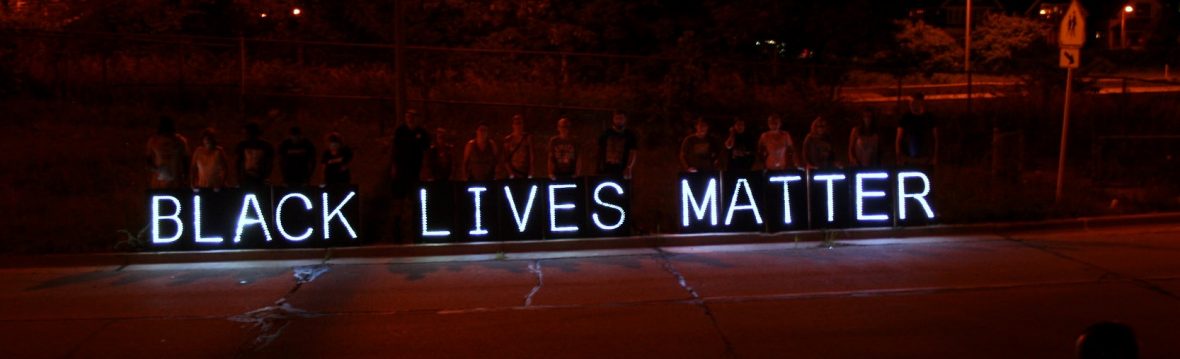
Using the lens of Ethnicity, I will be focusing on the African-American community and analyzing the power of American music to support their ethnicity, change the view on it, change how important it is in defining who a person is, and find ways to make a difference and take an action to help keep black roots alive. Ethnicity is a state of belonging to a social group that has a common national or cultural tradition. Your ethnic background could be where you were born, where you were raised, where your family is from, or the cultural group you personally belong to. It is clear from our class that ethnicity plays a huge role in how people are treated. It’s the one factor in history that caused the unfair discrimination that people of different cultures experienced. In today’s day things are a lot different sure, but I want to look at the role music has played in changing this major problem of discrimination in the African American community. My group chose to focus on this community because our community partner is a member of the black lives matter movement. Her name is Ebony and we have been talking with her through email. She has done an amazing job answering all our questions and helping use see the different ways that anybody can take an action and make a difference. We live in a multicultural America, meaning everyone’s cultural, ethnic, linguistic, and religious differences have legal, political, and social recognition are willingly promoted and celebrated. (black laws dictionary). Ebony believes that America is still struggling to be fully accepting of other people’s ethnicity, but this is the goal that she has in mind for this country one day. (Miranda, 2019).
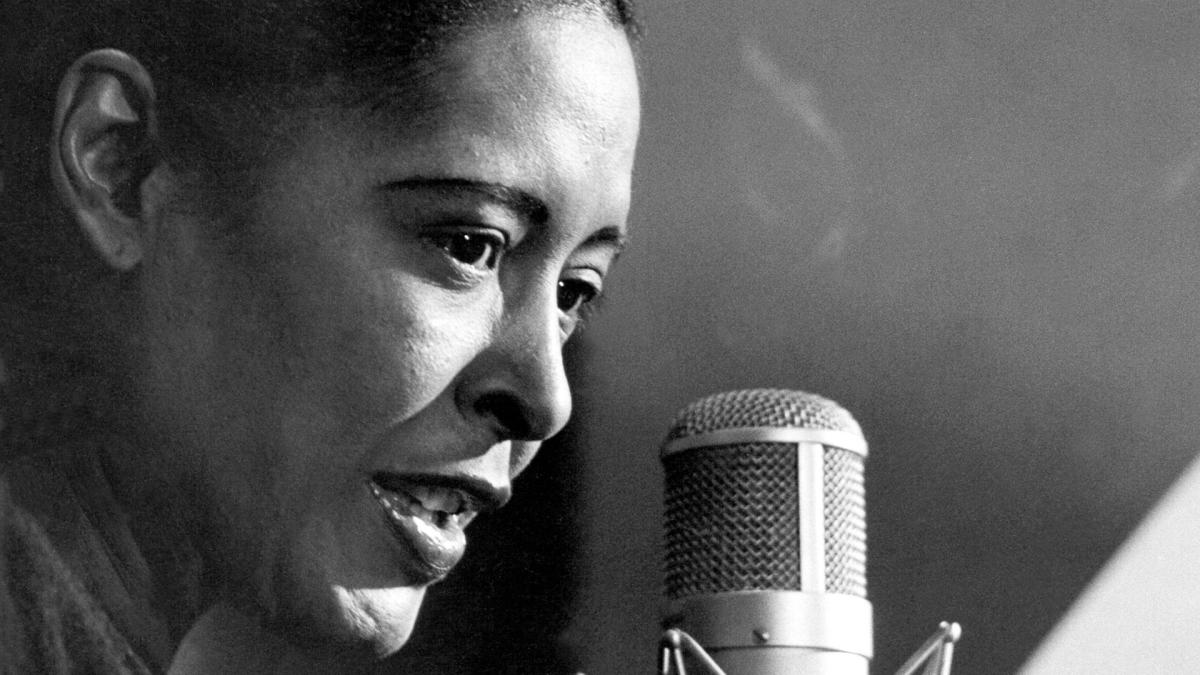
After reading chapters from Takaki it is clear that African Americans were treated horribly in history and from the start have been seen as different and separate. It was clear that having a different ethnicity than whites in America meant being treated differently and being lesser. Americans used qualities of blacks such as their skin color, cultural behaviors, language, and much more to stereotype them and call them inferior. (Takaki, pg. 61). Once African Americans gained freedom from slavery and started to speak up about what they experienced, many members used music as their voice to help defend their ethnicity and try to be socially accepted the way that whites were. In the song “Strange Fruit” by Billie Holiday, she uses her lyrics to expose the brutality of racism in America. Many have said after hearing the song that they felt shocked, angry and horrified by what the song portrayed. (Meaning behind strange fruit, 2018). Ebony recognized this song when I mentioned it and says she loves the way songs like this can live on to be an example of the struggle African Americans experienced. (Miranda, 2019). Billie Holiday was one of the most popular artists in the 1940’s and her music helped people see that your ethnicity doesn’t mean you deserve to be treated the way that her community was. From songs like this you can see that music is clearly strong in supporting a change in the view of people’s ethnic backgrounds. Holiday represents real people with real emotions.
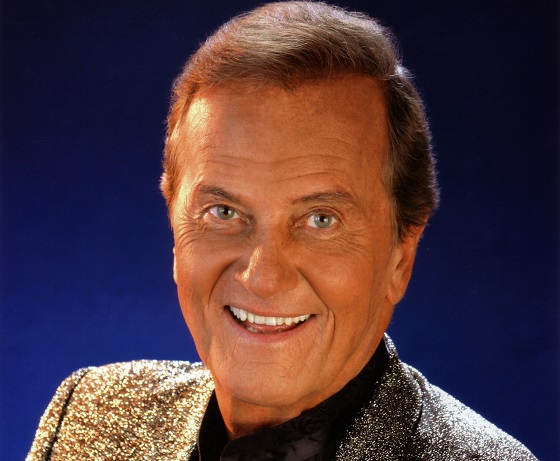
Unfortunately, between the 40’s and the 70’s even though African Americans were finally getting some spotlight they were still segregated during concerts and live shows, and they were still not being listened to as much as white artists. All this due to Americans not being able to let go of their Agency and not letting themselves see ethnic differences as equal. White artists were even taking credit for music that was written by a black artist and it went unnoticed. It’s sad but true that in the 50’s especially, white artists were given the credit for a song written by an African American and the true artist of that song wasn’t being recognized or paid. Record companies (mostly owned by whites) would offer an African American artist a flat fee for a song, have them sign a contract with U.S. copyright laws they are not familiar with and then basically steal the ownership rights to the song. (Roger, 2017). I can only imagine that record companies at the time would rather have a white artist singing the songs they liked than a black artist, and probably thought the songs would be more popular simply because of the difference in skin color. Even after slavery ended, the racism never died. Ethnicity kept you from having the American dream. Let’s look at Pat Boone for an example. We all know the song “tutti frutti” with the lyrics “Got a girl named Sue, she knows just what to do” and “Tuitti Frutti, oh Rudy”. This song was recorded by a white male named Pat Boone, however it was written by a black male named Little Richard. (Roger, 2017). Now that I know this information, I can’t listen to this song without getting upset that this man got to enjoy the fame, money, and lifestyle that the artists who truly deserved it could not have simply because of their ethnicity.
Moving on to today, is it true that America has come a long way in accepting other ethnicities? Is it true that black artists have just as much of a spotlight as white artists? Is it true that segregation and racism are no longer problems that African American artists face? Lastly what has hip-hop done for the African American community? Ebony’s help and some recent songs brought me to answer these questions. It seems that in ways these answers are both true and false. We have made progress, but it still is just not enough. Ebony makes it clear that African Americans are still struggling in our country. (Miranda, 2019). I want to focus on the hip-hop genre and see if that style of music has helped Americans, especially the younger generation, see past things like skin color and ethnicity and learn to accept other communities. This genre started in the Bronx, NY where artists would speak up about the oppression they experienced and the conditions they lived in.
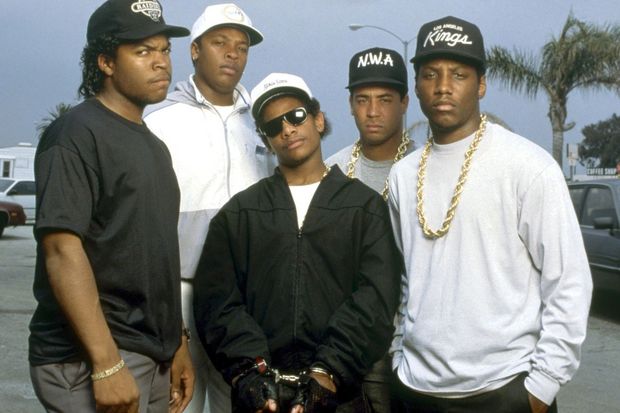
I would say that they did well in appealing to people with their style, however I would say it also damaged the reputation especially from the older generation by increasing wide circulated stereotypes, helped the government justify wide budget cuts, and forced many young black men and women to contend with this real or fake idea of the “ghetto”. (Jackscrews, 2016). It seems that this genre helped white consumers further group African Americans into the “underclass” and satisfy themselves with the idea that this was the lifestyle they chose to live and had to live in because of their ethnicity. I believe not only that there are other genres of music that are supporting a positive movement, but also that hip-hop and rap is starting to represent a lifestyle that is chosen by anybody regardless of their ethnicity and not just an assumed African American style based on its origin. It’s also apparent that many hip-hop and rap styles are doing the opposite right now, to send political messages rather than to support stereotypes about African Americans. An example of this is the new YouTube song called “I’m not racist” by Joyner Lucas. In this song a white male wearing a make America great again hat raps his ideas about a black man and continues to say “I’m not racist” then the black male raps right back to the white man and shares his story and they both are “put in their place” in a sense, about the preconceived notions each had about the others ethnicity. (I’m Not Racist, 2017).
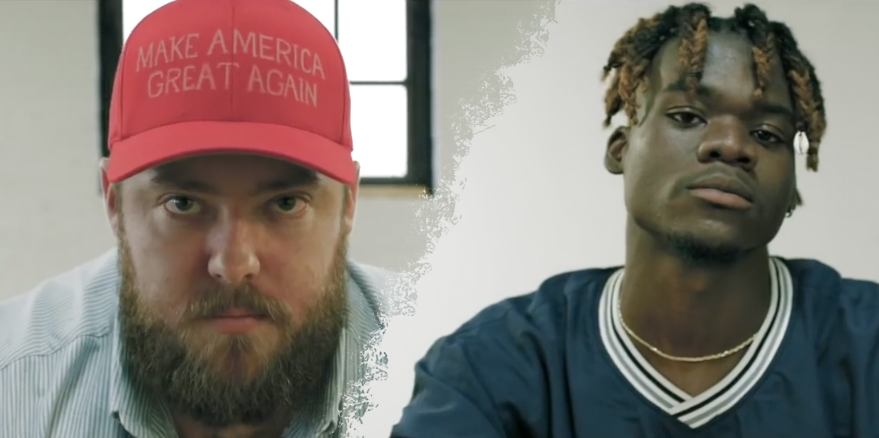
This song shows that we all have differences and will always see things differently, so what a better solution than to see past stereotypes and ideas about others and accept everybody. Ebony also recognized this song. She said she could see that the goal of this video was to create some sort of a reasoning level between the two, which can represent creating a reasoning level between the two ethnicities in America. (Miranda, 2019). So how do we begin to create this level and solve the problems in American on ethnicity? More people need to stand up and act so that things don’t keep going on unchanged. Thankfully there are many songs that were written to spark a change. Some are using music to act because we all know music is a great way to raise awareness about an issue. Eric Garner is an African American that was strangled to death in 2014 by a white male New York City police officer. It was a tragic death caused by the selling Eric’s untaxed cigarettes on a Staten island street. I think we can all assume that a white male selling cigarettes on the street would not have been treated in the same matter that Eric Garner was. To die over such a small offense is horrifying and will be stuck in the minds of many for the rest of their lives. (Goodman, 2018). The siblings of Eric Garner wrote a song called “I can’t breathe” to start a movement #Ican’tbreathe and express the police brutality that is happening around the world. (I Can’t Breathe, 2015). Ebony gave us this hashtag as a great example on how people are speaking up and protesting to fight back.
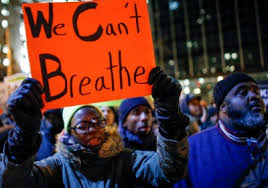
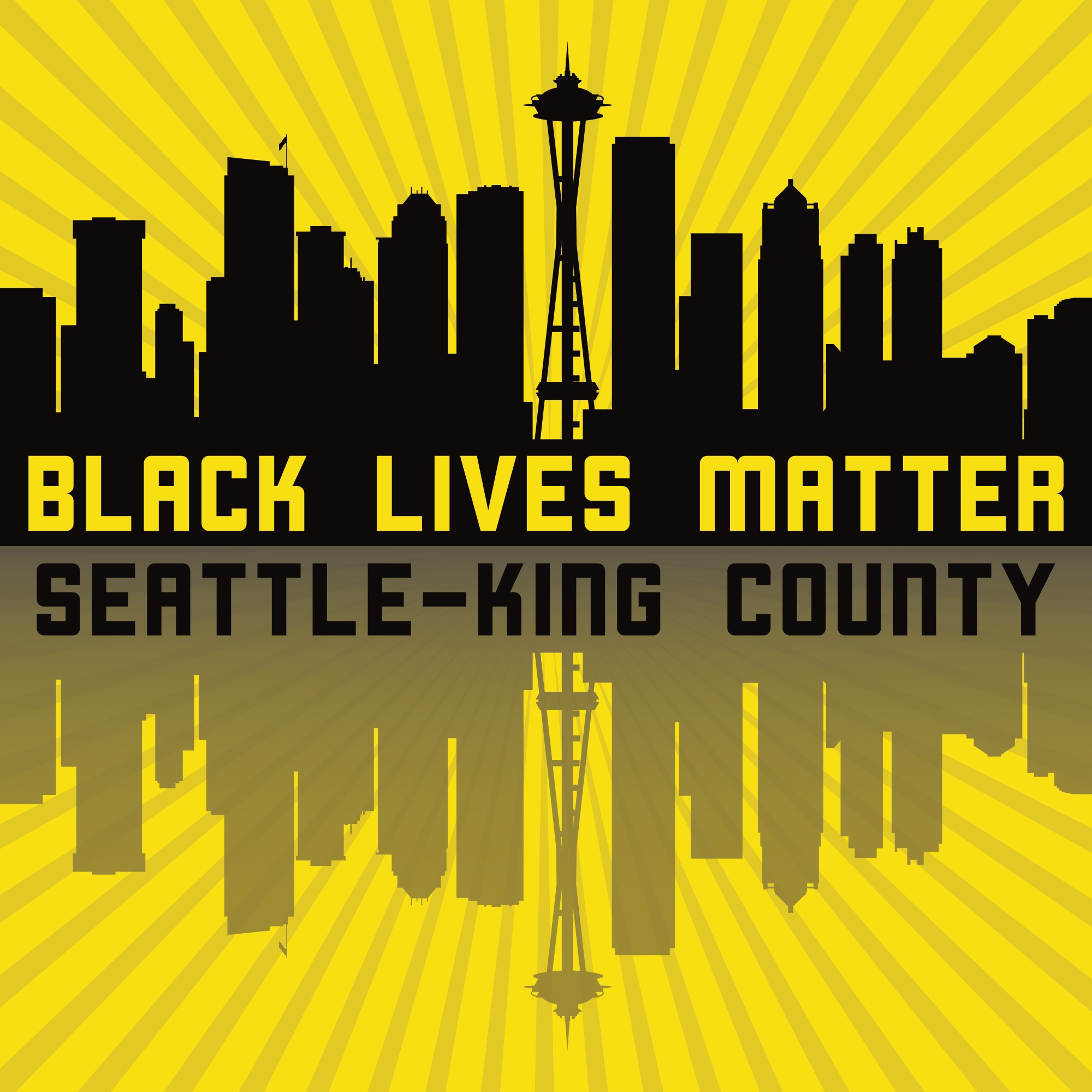
Because of this death and the song that was written, a movement started with protests where “we can’t breathe” was being shouted and written all over the U.S., which has brought many people to help make a change. Music is a great way to start this up, however it is not the only way. Ebony, being from an organization whose mission is to intervene in violence inflicted on black communities, had many calls to action that we could take in building power for the African American community. There is a whole page on blacklivesmatter.com called “take action” where you can find different “actions” to take and participate in, submit a new one that you thought of, and even donate to help enable others to act. One of the options is to join a local chapter. This is the easiest and most helpful thing that Ebony mentioned we could do and encourage others to do in our presentation. By joining your local chapter, you will be signed up for alerts, have access to gear to help rep their organization, and be in the loop with the matters they are addressing. The local chapter for our area is Seattle-King County, Washington. If you want to help keep the memory of black roots alive, build a future of freedom, and help create an equitable world for black and all people to thrive in, then you can sign up and start to see what you can do.
To begin my conclusion, I want to mention that contrary to the ideas we have been learning in Postman, media is incredible in raising awareness on an issue and bringing people to join in making a change. We have been learning this quarter that media is often entertaining and not educational, has content that is not pure or scholarly, and is turning us away from great achievements and bringing us closer to “amusing ourselves to death” (Postman, pg. 62). Not only is having a community partner an amazing source compared to internet articles and such, but also using her organization as a source for joining a movement is probably one of the most pure and educational sources for our final. This type of media brings you to real life activities. By taking advantage of some of the good things about media, like its ability to draw attention from everybody and connect people to what they can do as well as accept donations, we can call to action what needs to be done for the African American community. Even now in the 21st century ethnicity is coming in the way of equality and fairness. Hopefully some of us can take even bigger steps than the ones suggested by our community partner to help make every ethnicity matter.
This blog post contains possible copyright material that is used for educational purposes regarding the portrayal of ethnicity in American music. We are able to use this material on this website because of the Digital Millenia Act of 1998 that added on new regulations regarding digital copyright laws. However, this blog post is compliant with the copyright laws due to the fact that the material used gives proper credit to the original authors and the information used is for educational purposes only.
“Strange
Fruit” – Billie Holiday. (2018, April 30). Retrieved from
https://www.wordsinthebucket.com/meaning-behind-strange-fruit-billie-holiday
Roger. (2017, February
23). White singers paid the fees, but black singers didn’t get the
money. Retrieved from https://www.bnd.com/living/liv-columns-blogs/answer-
man/article134070984.html
Jackscrews, L. (2016).
Orientations in time: Music and the construction of historical narrative in 20th
and 21st century African American Literature. ProQuest. Retrieved March 15, 2019.
Goodman, J. D. (2018, November
07). Eric Garner Died in a Police Chokehold. Why Has the
Inquiry Taken So Long? Retrieved from
https://www.nytimes.com/2018/11/01/nyregion/eric-garner-
trial-nypd.html
Lucas, J. (2017, November
28). Joyner Lucas – I’m Not Racist. Retrieved from
https://www.youtube.com/watch?v=43gm3CJePn0
FILMS, C. C. (2015,
January 12). KXNG CROOKED – I CAN’T BREATHE MUSIC VISUAL
TRIBUTE ERIC GARNER. Retrieved from https://www.youtube.com/watch?v=WCYPMv7olIM
Black Lives Matter.
(n.d.). Retrieved from https://blacklivesmatter.com/
Miranda, E. (2019, March
2). Email conversation with Ebony Miranda [E-mail interview].
Takaki, R. (2008). A different mirror: A history of multicultural
America. New York: Back bay books.
Cedars, S. R., &
McKeever, C. (2013). Amusing ourselves to
death: Neil Postman. United
States: GradeSaver.
Black’s Law Dictionary –
Free Online Legal Dictionary. (n.d.). Retrieved from
https://thelawdictionary.org/
 AMERICAN MUSIC